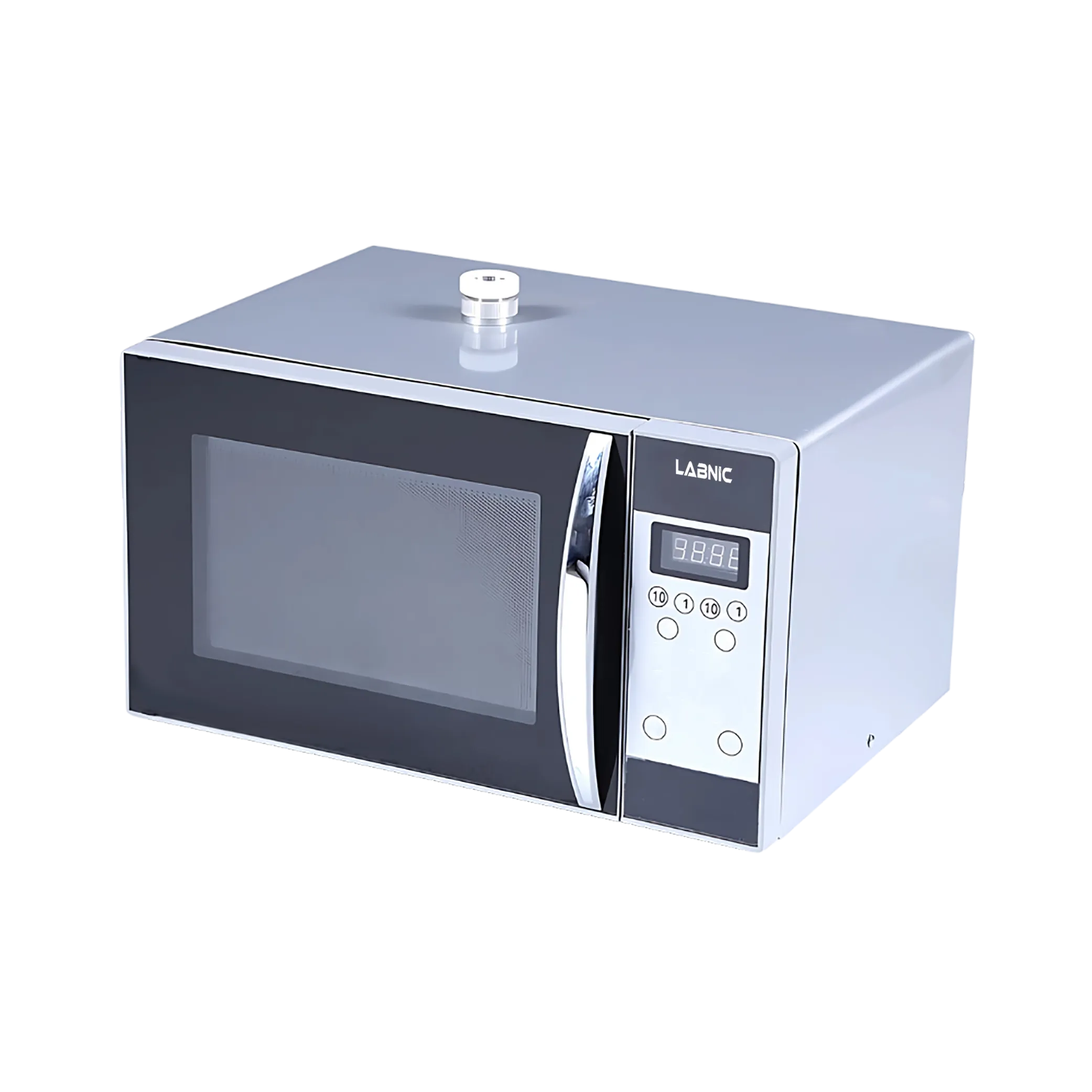

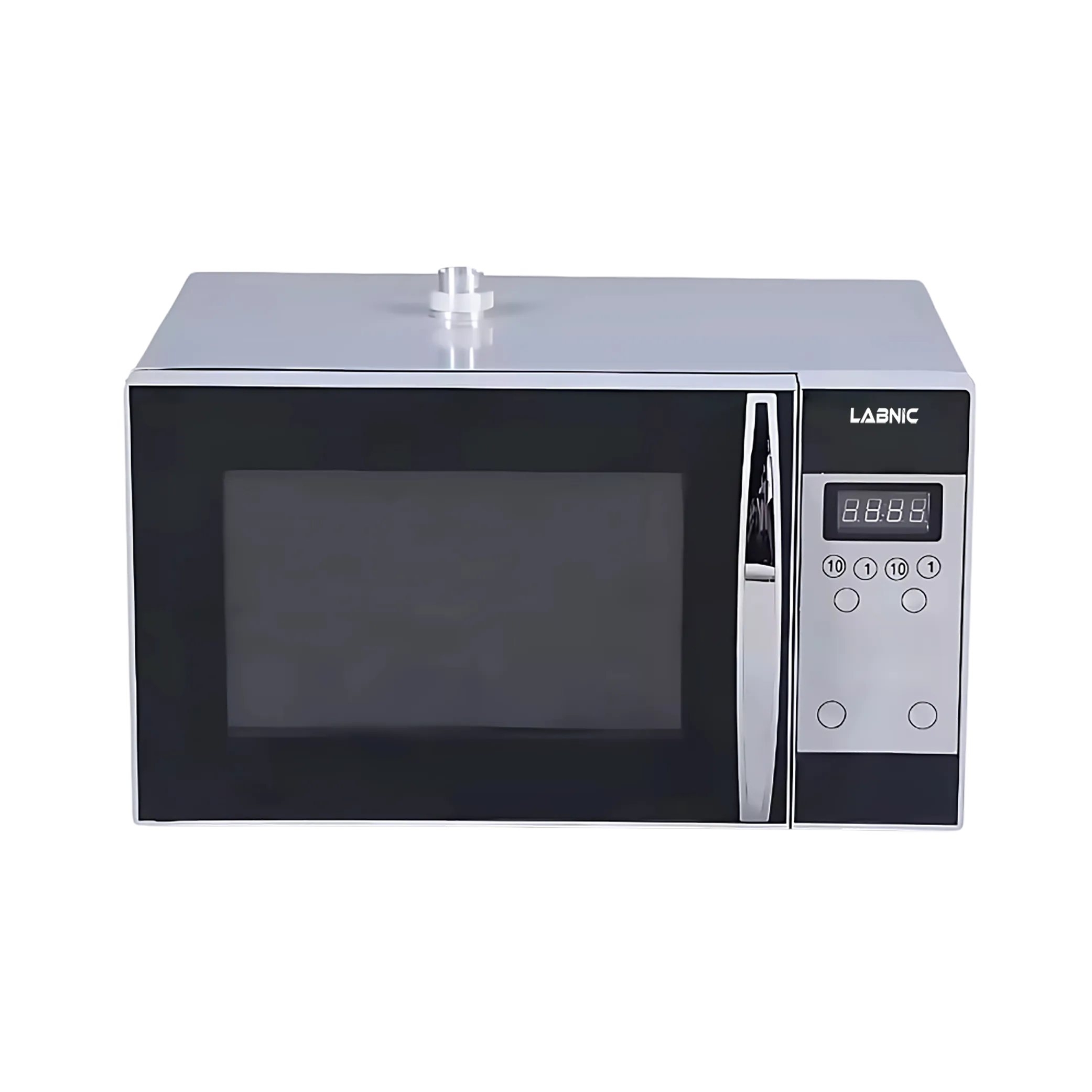
Microwave Chemical Reactor LBN-MCR151 provides precise temperature control from 0 to 300 °C with ≤ ±0.5 °C accuracy using a PT1000 sensor for reliable reaction monitoring. It features continuous tunable microwave power with inverter control and programmable storage for five experimental groups. Equipped with a high-definition LCD display, it shows real-time working time, power, temperature, and reaction curves. Integrated frequency conversion air cooling ensures uniform cavity temperature and supports adjustable continuous operation from 0 to 999 minutes. Our Microwave Chemical Reactor is ideal for microwave catalytic reactions, rapid synthesis, selective heating studies, and controlled laboratory microwave chemistry experiments.
| Temperature Control Range | 0 to 300 °C |
| Frequency | 2450±50 Mhz |
| Temperature Control Accuracy | ≤ ±0.5 °C |
| Temperature Sensor | PT1000 High-Precision Probe |
| Microwave Power Control | Continuous Tunable Inverter Control |
| Working Time | 0 to 999 minutes (Adjustable / Continuous) |
| Parameter Storage | 5 Programmable Experimental Groups |
| Cooling System | Frequency Conversion Air Cooling |
| Display | Ultra-HD LCD Touch Screen |
| Monitoring | Real-Time Time, Power, Temperature & Curve Display |
| Heating Characteristics | Rapid, Selective, Uniform & High Penetration Heating |
| Maximum input current | 7.8 A |
| Power Consumption | 1100 W |
| Power Supply | 750 W |
| Chamber Size | 330 × 365 × 235 |
| Packing Dimensions (W×D× H) | 480 × 540 × 540 |
| Gross Weight | 20 Kg |
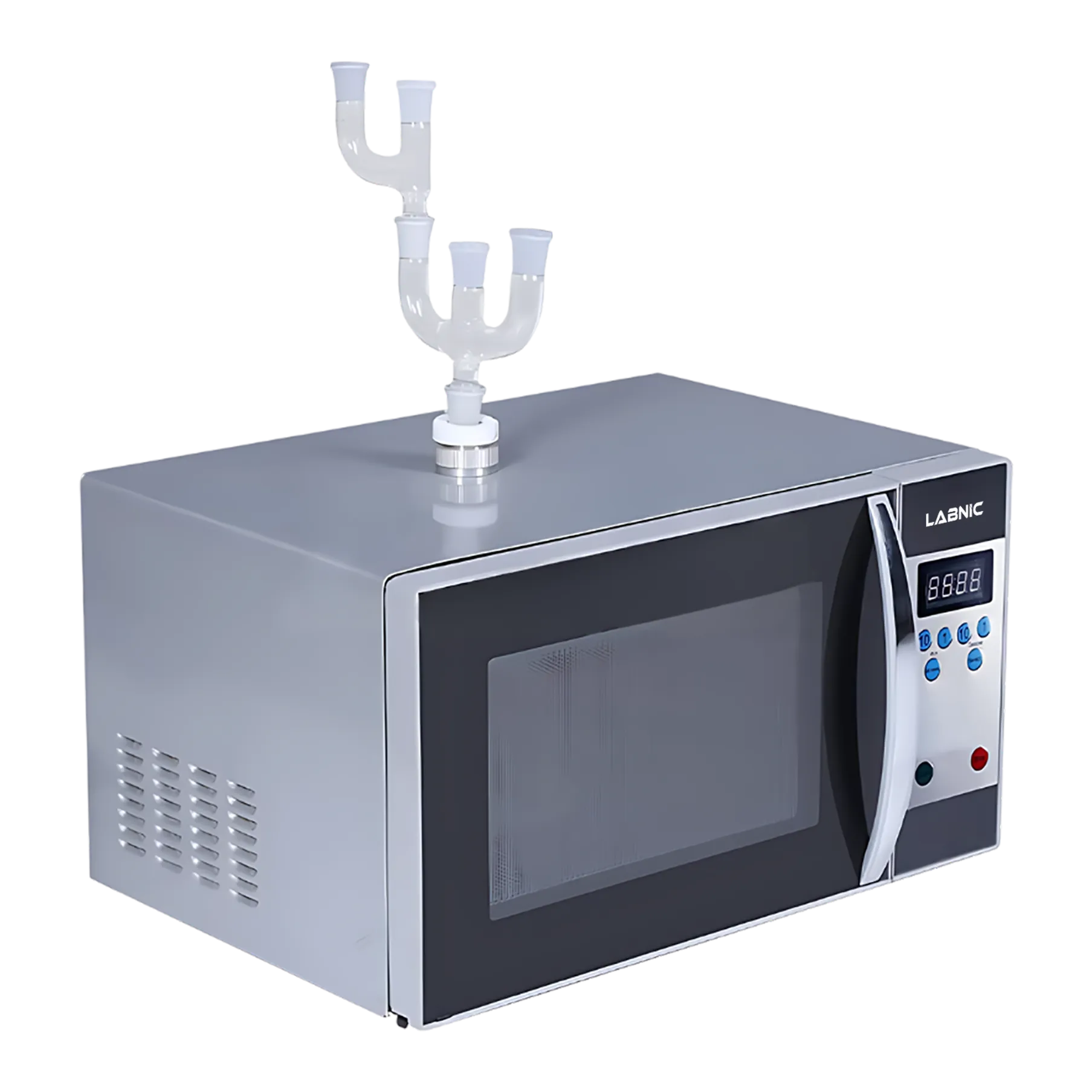
Microwave Chemical Reactor with Glass Accessories
Microwave Chemical Reactor LBN-MR131 is ideal for organic synthesis, catalytic studies, material preparation, polymerization, and pharmaceutical research.
Microwave Chemical Reactor LBN-MR131 is ideal for organic synthesis, catalytic studies, material preparation, polymerization, and pharmaceutical research.
Most Frequently Asked Questions
1. What are Microwave Chemical Reactors used for?
Ans. Microwave Chemical Reactors are used for controlled chemical synthesis using microwave-assisted heating.
2. How do Microwave Chemical Reactors ensure stable operation?
Ans. Microwave Chemical Reactors use microprocessor-controlled systems for reliable frequency and operational stability.
3. How do Microwave Chemical Reactors simplify experimental workflows?
Ans. Microwave Chemical Reactors feature intuitive interfaces that allow easy setup and parameter adjustment.
4. How is uniform heating achieved in Microwave Chemical Reactors?
Ans. Microwave Chemical Reactors provide uniform heating to maintain stable and consistent reaction conditions.
5. What benefits does microwave radiation offer in chemical reactions?
Ans. Microwave radiation enables efficient energy transfer for faster and more controlled chemical reactions.
6. Where are Microwave Chemical Reactors commonly used?
Ans. Microwave Chemical Reactors are commonly used in academic laboratories, pharmaceutical development, and material research facilities.
Microwave Chemical Reactor LBN-MCR151 provides precise temperature control from 0 to 300 °C with ≤ ±0.5 °C accuracy using a PT1000 sensor for reliable reaction monitoring. It features continuous tunable microwave power with inverter control and programmable storage for five experimental groups. Equipped with a high-definition LCD display, it shows real-time working time, power, temperature, and reaction curves. Integrated frequency conversion air cooling ensures uniform cavity temperature and supports adjustable continuous operation from 0 to 999 minutes. Our Microwave Chemical Reactor is ideal for microwave catalytic reactions, rapid synthesis, selective heating studies, and controlled laboratory microwave chemistry experiments.

